Hydraulic Engineering
Hydroelectric Power Facilities
Supporting durable water-retaining and water-conveying structures around hydroelectric infrastructure.
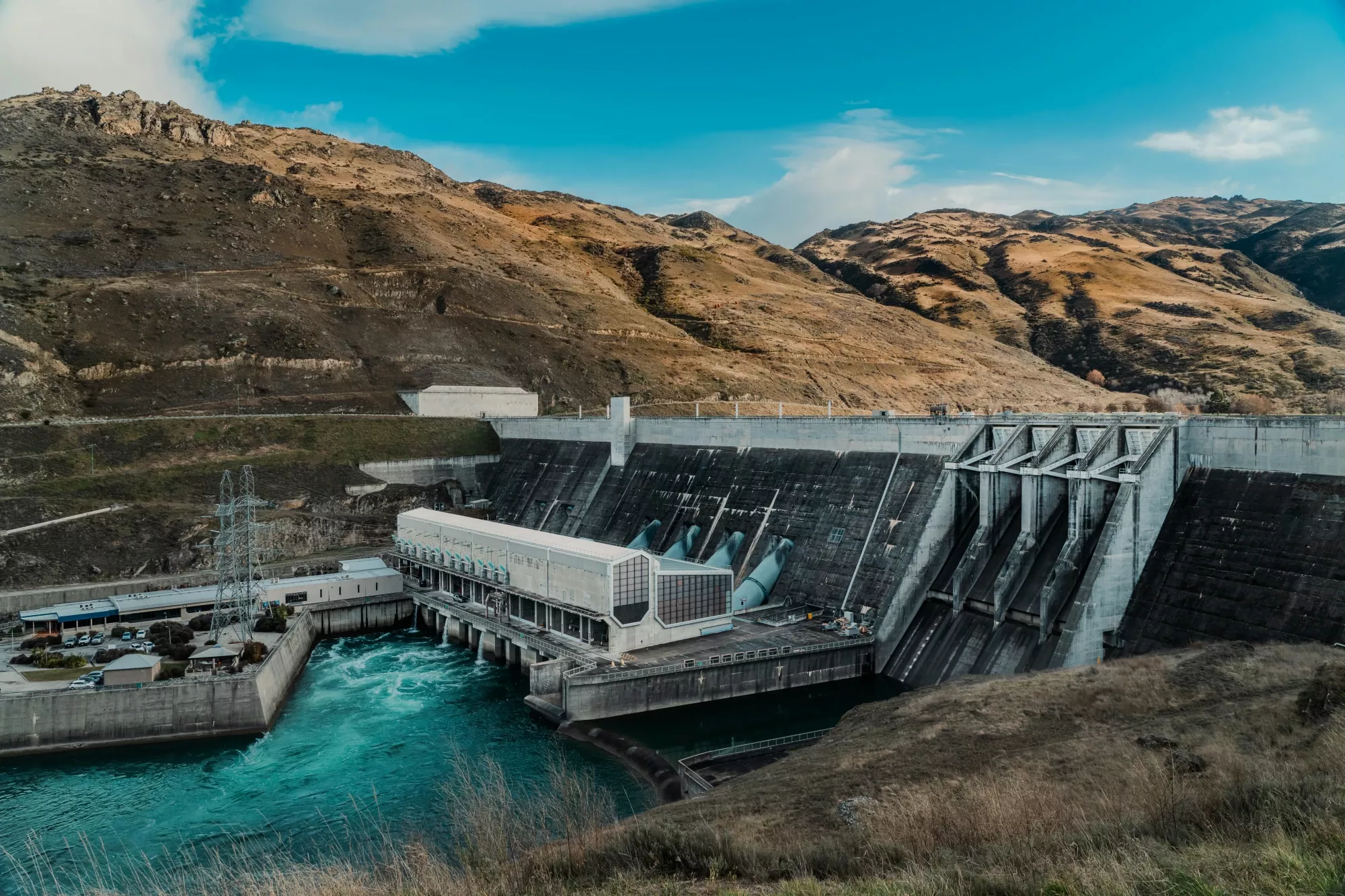
Geotextiles in Hydroelectric Infrastructure
Hydroelectric power facilities depend on reliable hydraulic structures that can manage large volumes of water over long periods of time. Reservoirs, dams, intake channels, outlet structures, canals and embankments all need to remain stable, protected and functional under demanding water pressure and flow conditions.
Our needle-punched nonwoven geotextiles support hydroelectric infrastructure by combining separation, filtration, drainage, protection and reinforcement functions. Installed between soil, aggregate, drainage zones or lining systems, the geotextile helps preserve the integrity of the structure and supports controlled water movement.
In these environments, soil migration, erosion, hydrostatic pressure or mechanical damage can affect the long-term performance of critical layers. A geotextile layer helps retain fine particles while allowing water to pass through, protects sensitive liners or membranes from puncture and abrasion, and helps maintain stable separation between materials with different characteristics.
By contributing to the durability of water-retaining and water-conveying structures, our geotextiles help support the long-term performance of hydroelectric power facilities and the infrastructure around them.
Key Benefits
- Separation of soils, aggregates and lining layers
- Helps protect membranes, liners and sensitive surfaces from puncture and abrasion
- Supports filtration by retaining fine particles while allowing controlled water flow
- Contributes to effective drainage and reduced hydrostatic pressure build-up
- Helps limit soil migration, erosion and internal instability
- Helps extend the service life of hydraulic infrastructure
Example of a Layer Structure
In hydroelectric power facilities, nonwoven geotextiles can be used in several areas, including reservoir embankments, intake and outlet channels, drainage zones and lining systems. Their position depends on the specific structure and the hydraulic requirements of the project.
- Water-facing protection layer
A protective cover such as riprap, concrete lining, rock armour or another erosion-resistant layer exposed to flowing or stored water. - Granular drainage or support layer
A mineral layer that helps manage water movement, distribute loads and support the protective structure above. - Nonwoven geotextile functional layer
Installed to separate materials, support filtration, protect sensitive layers and help maintain controlled drainage within the structure. - Liner, membrane or impermeable barrier
Where required, this layer helps control water retention or prevent unwanted water migration. - Foundation soil or embankment structure
Natural or stabilised soil, backfilled with inert material to support the structure.
Let's Make Your Project Happen!
Connect with our experts to explore how nonwoven geotextiles can provide durable, efficient, and cost-effective solutions for your specific engineering challenges.